QuEST Lifesciences

Bridging quantum theory and biology — applying QuEST's mathematical framework to cancer research, drug discovery, and computational medicine.

Explore Our Research ↓

Research Areas

From computational drug design to single-cell cancer biology, QuEST theory is finding real-world applications in the life sciences.

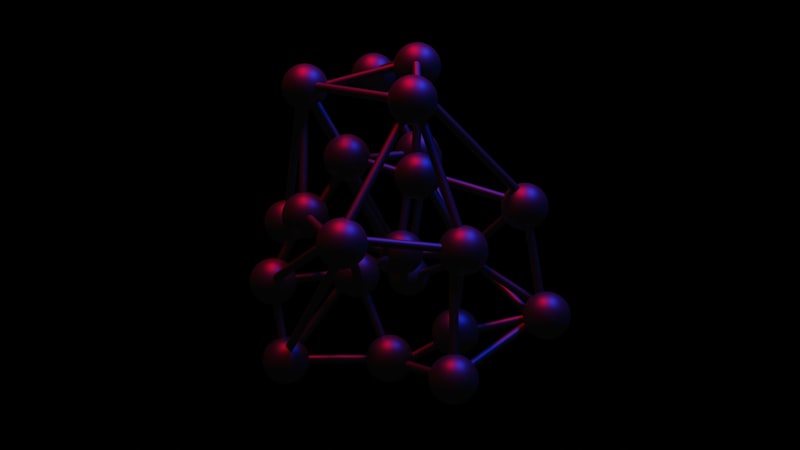
3D molecular structure model for computational drug design

Computational Drug Design

Leveraging fixed-point string theory mathematics to rapidly generate therapeutic candidates for neglected diseases affecting 270 million people globally.

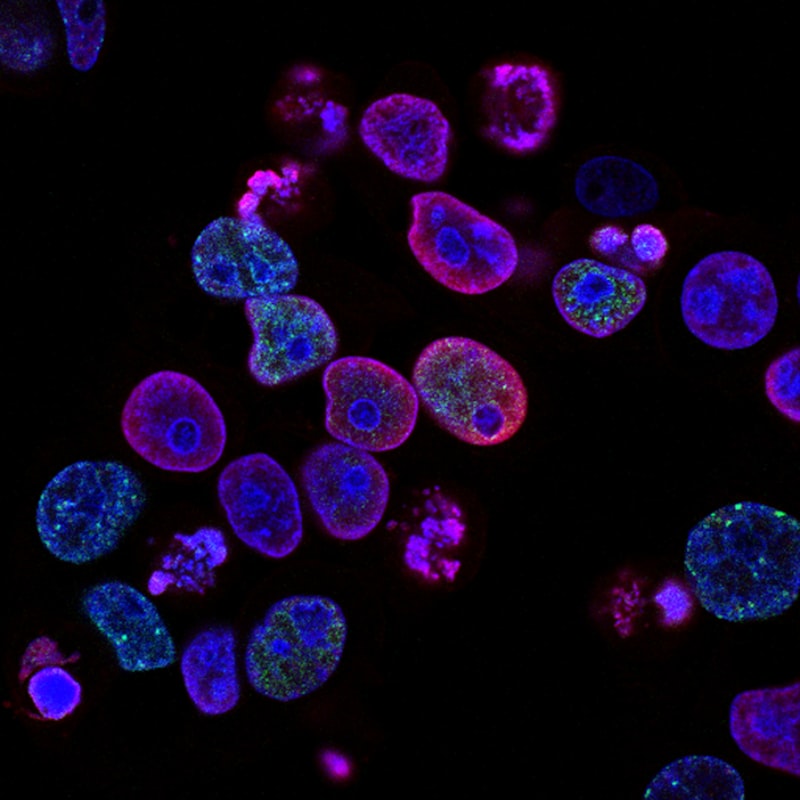
Cancer cells under fluorescent microscopy showing DNA damage markers

Cancer Genomics

Introducing informational isolation as a transcriptome-derived metric that reframes malignancy as a phase transition across multiple cancer types.

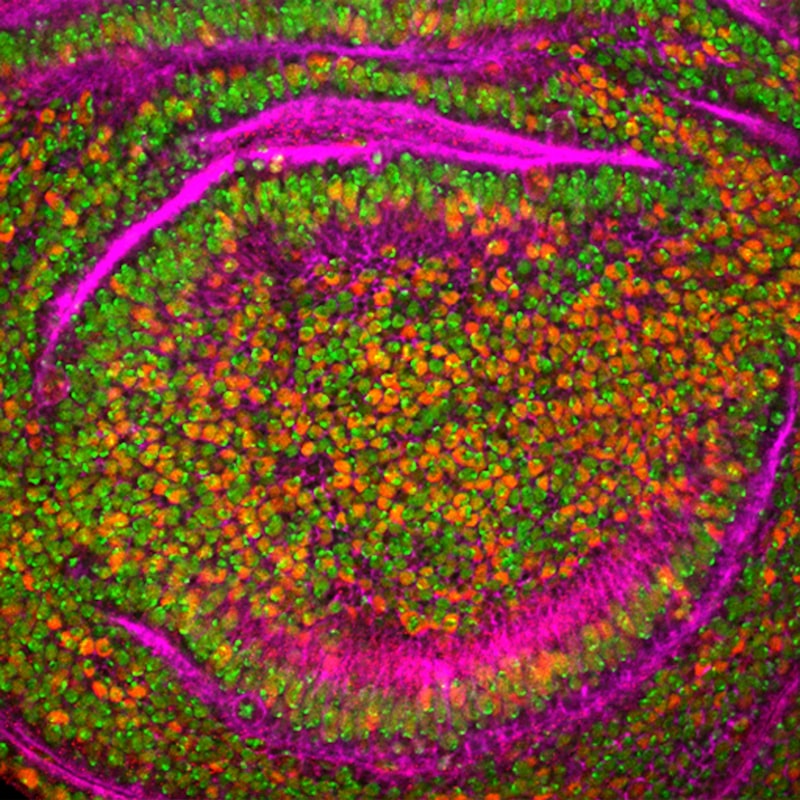
Fluorescent microscopy of cells showing nuclei and actin filaments

Single-Cell Analysis

Applying the QuEST isolation condition to individual breast cancer cells, demonstrating spacetime domain boundaries in living biological systems.

0 Publications
0 Drug Candidates
47,000+ Cells Analyzed
0 Diseases Targeted

Our Publications

Peer-reviewed research applying quantum theory to drug discovery and cancer biology

Molecular structure visualization for drug design
Drug Design Fixed-Point String Theory

Fixed-Point String Theory Rapid Drug Design

O. Ahaneku · Feb 23, 2026

From Fundamental Physics to Drug Discovery

This research demonstrates a novel application of QuEST's fixed-point string theory framework to computational drug design. By leveraging the mathematical structures underlying the theory, a computational platform was developed that can rapidly generate therapeutic candidates — completing two full design cycles to produce five drug candidates targeting neglected African diseases.

Targeting Neglected Diseases

  • Onchocerciasis (River Blindness): A parasitic disease transmitted by blackflies, causing severe itching, skin lesions, and irreversible blindness.
  • Schistosomiasis: A parasitic infection caused by blood flukes, leading to chronic organ damage affecting the liver, intestines, and urogenital system.
  • Leishmaniasis: A group of diseases caused by protozoan parasites, ranging from skin ulcers to fatal visceral infection if left untreated.

Results: High-Quality Drug Candidates

  • Lipinski's Rule of Five: Full adherence, indicating good oral bioavailability.
  • ADMET Profiles: Optimal absorption, distribution, metabolism, excretion, and toxicity properties.
  • QED Scores: 0.804 to 0.865, well above typical drug-likeness thresholds.
  • Safety: Zero cytochrome P450 interactions, reducing adverse drug interaction risk.
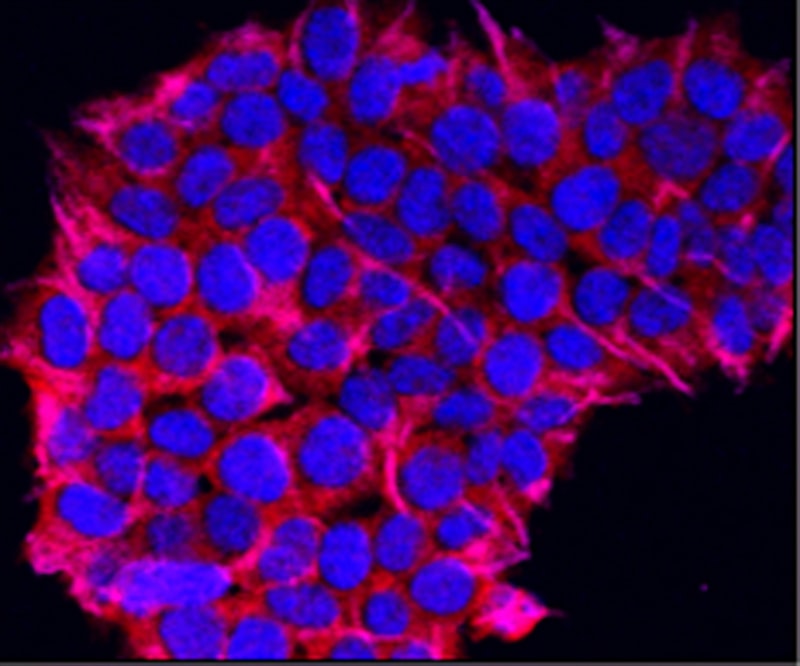
Cancer cells with fluorescent markers showing DNA damage
Cancer Research Transcriptomics

Pan-Cancer Evaluation of Informational Isolation and Tumor Mutation Burden

O. Ahaneku · Dec 3, 2025

A New Metric for Understanding Cancer

This study introduces "informational isolation" — a transcriptome-derived metric that captures internal loop development, loop stability, and diminished external coupling within tumors. Rather than relying solely on mutation counts, this metric provides a fundamentally different lens for understanding tumor behavior rooted in QuEST's information-theoretic framework.

Multi-Cancer Analysis

Using bulk RNA-sequencing data from The Cancer Genome Atlas (TCGA), the study examined four major cancer types:

  • Breast cancer — the most common cancer worldwide
  • Lung cancer — the leading cause of cancer death globally
  • Colorectal cancer — the third most diagnosed cancer
  • Kidney cancer — with rising incidence rates worldwide

Three Operational Regimes

The analysis revealed three distinct regimes — graded, saturated, and inverted — that characterize how informational isolation relates to tumor mutation burden. A critical finding emerged: aggressive tumors with low genetic mutation counts frequently appear in the saturated or inverted regimes, where mutation burden alone shows weak correlation with clinical outcomes.

The work proposes that malignancy functions as a phase transition, where informational isolation provides superior explanatory power for clinical observations compared to mutational load independently.

Confocal microscopy showing enhanced vimentin expression in cancer cells
Breast Cancer Single-Cell Analysis

QuEST Stabilized Spacetime Domains in Breast Cancer Cells

O. Ahaneku · Nov 28, 2025

The First Biological Realization of QuEST Isolation

This groundbreaking work applies Quantum Entanglement Spacetime Theory directly to biological systems. The core idea: a finite domain becomes causally isolated when its internal entanglement flux exceeds the information-carrying capacity of its boundary. The study develops a QEP-compliant Stabilized Spacetime Domain (SSD) criterion and translates it into measurable biological quantities based on gene expression patterns.

Methodology

The analysis examined two breast cancer single-cell RNA sequencing datasets from the Gene Expression Omnibus (GSE122743):

  • T47D cell line — a luminal A breast cancer model widely used in hormone receptor studies
  • MCF7 cell line — a well-characterized estrogen receptor-positive breast cancer line
  • 47,000+ individual cells analyzed with gene-expression measures including internal loop strength, boundary curvature entropy, and estrogen receptor signal strength

Key Findings

The analysis reveals large stabilized sub-populations and condition-dependent population shifts that suggest movement across the SSD boundary. This represents the first empirical realization of the QuEST isolation condition in a biological system — demonstrating that the same mathematical principles governing spacetime structure at the quantum level can describe information-processing boundaries in living cells.